
Case Studies
Case Studies
Redesigning IBM's Internal Knowledge Platform
Redesigning IBM's internal knowledge platform from a legacy portal to a scalable enterprise space: serving 80+ users and thousands of IBM stakeholders globally.
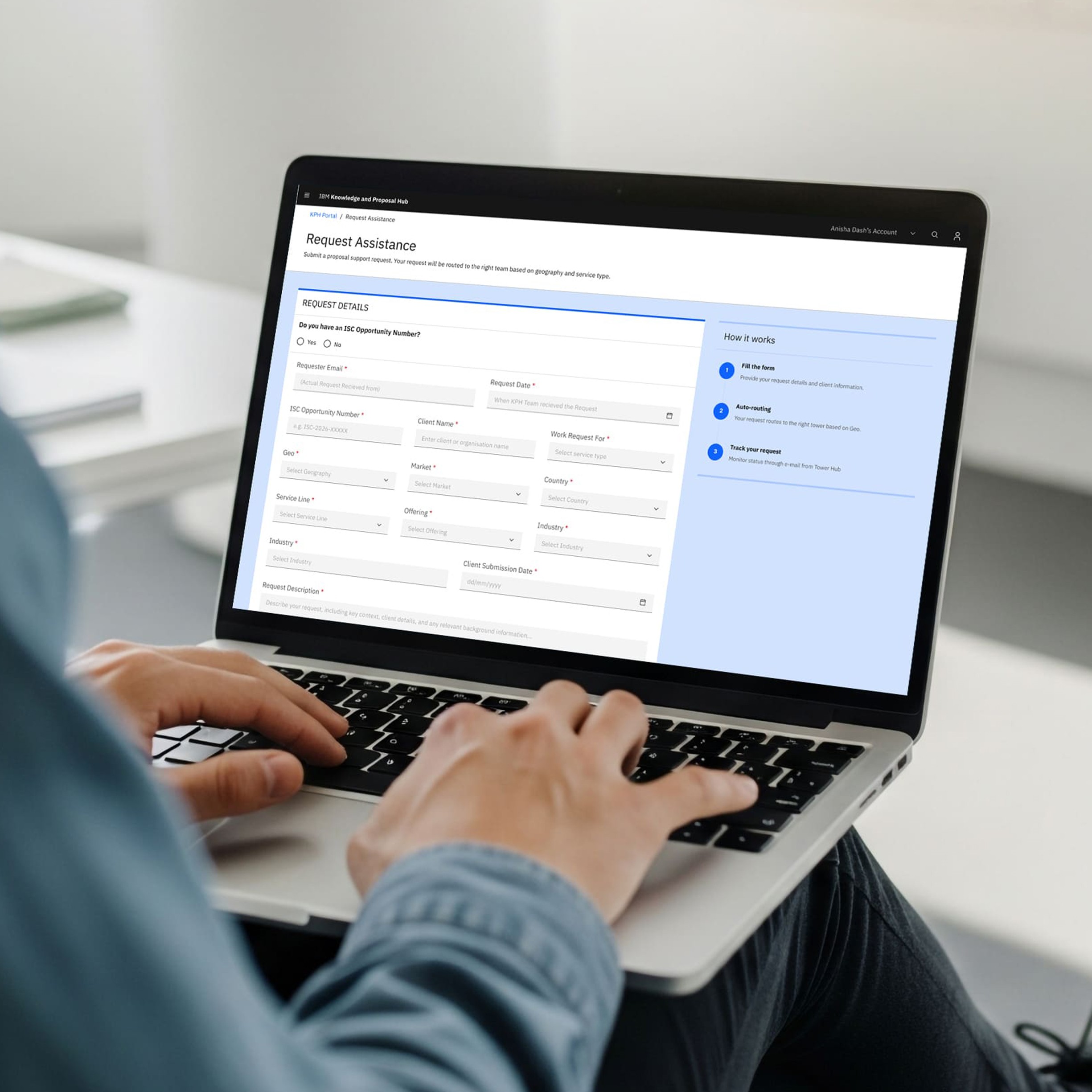
Redesigning IBM's Internal Knowledge Platform
Redesigning IBM's internal knowledge platform from a legacy portal to a scalable enterprise space: serving 80+ users and thousands of IBM stakeholders globally.
Redesigning IBM's Internal Knowledge Platform
Redesigning IBM's internal knowledge platform from a legacy portal to a scalable enterprise space: serving 80+ users and thousands of IBM stakeholders globally.
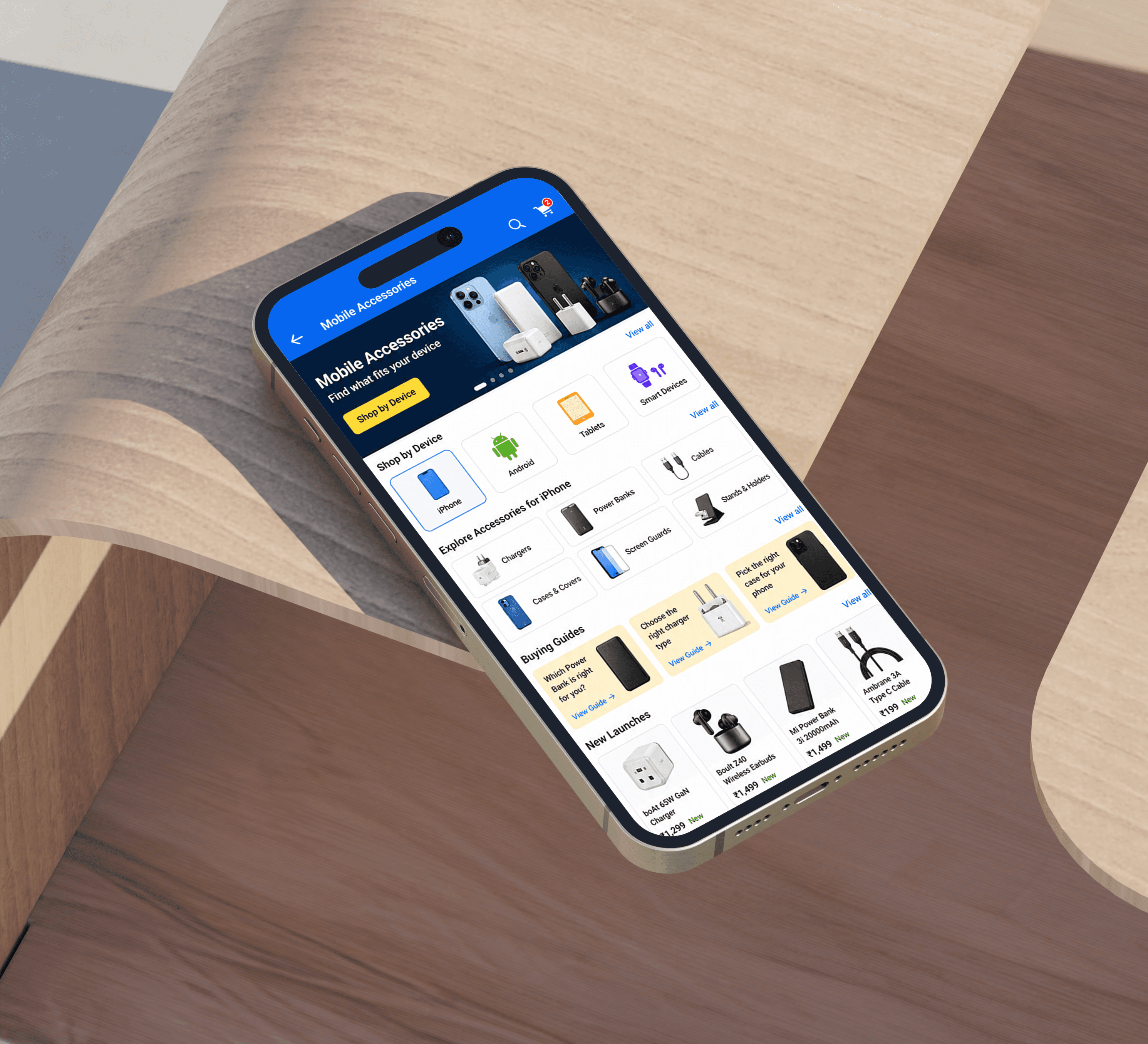
Redesigning IBM's Internal Knowledge Platform
Redesigning IBM's internal knowledge platform from a legacy portal to a scalable enterprise space: serving 80+ users and thousands of IBM stakeholders globally.

Redesigning IBM's Internal Knowledge Platform
Redesigning IBM's internal knowledge platform from a legacy portal to a scalable enterprise space: serving 80+ users and thousands of IBM stakeholders globally.
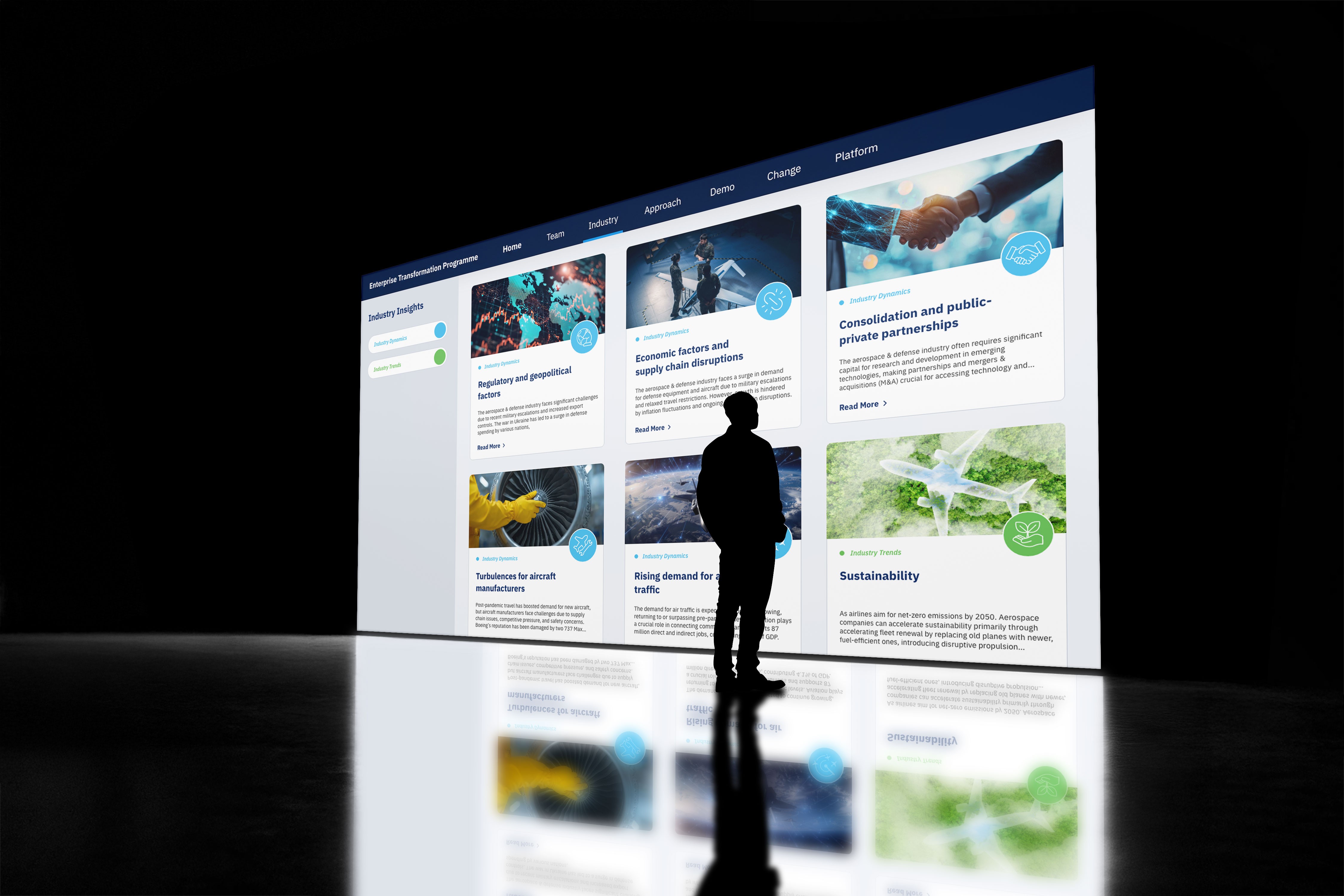
Redesigning IBM's Internal Knowledge Platform
Redesigning IBM's internal knowledge platform from a legacy portal to a scalable enterprise space: serving 80+ users and thousands of IBM stakeholders globally.

Designing a Digital Gardening Experience
Designing a mobile experience that simplifies plant care through guided actions, personalised insights, and consistent routines.
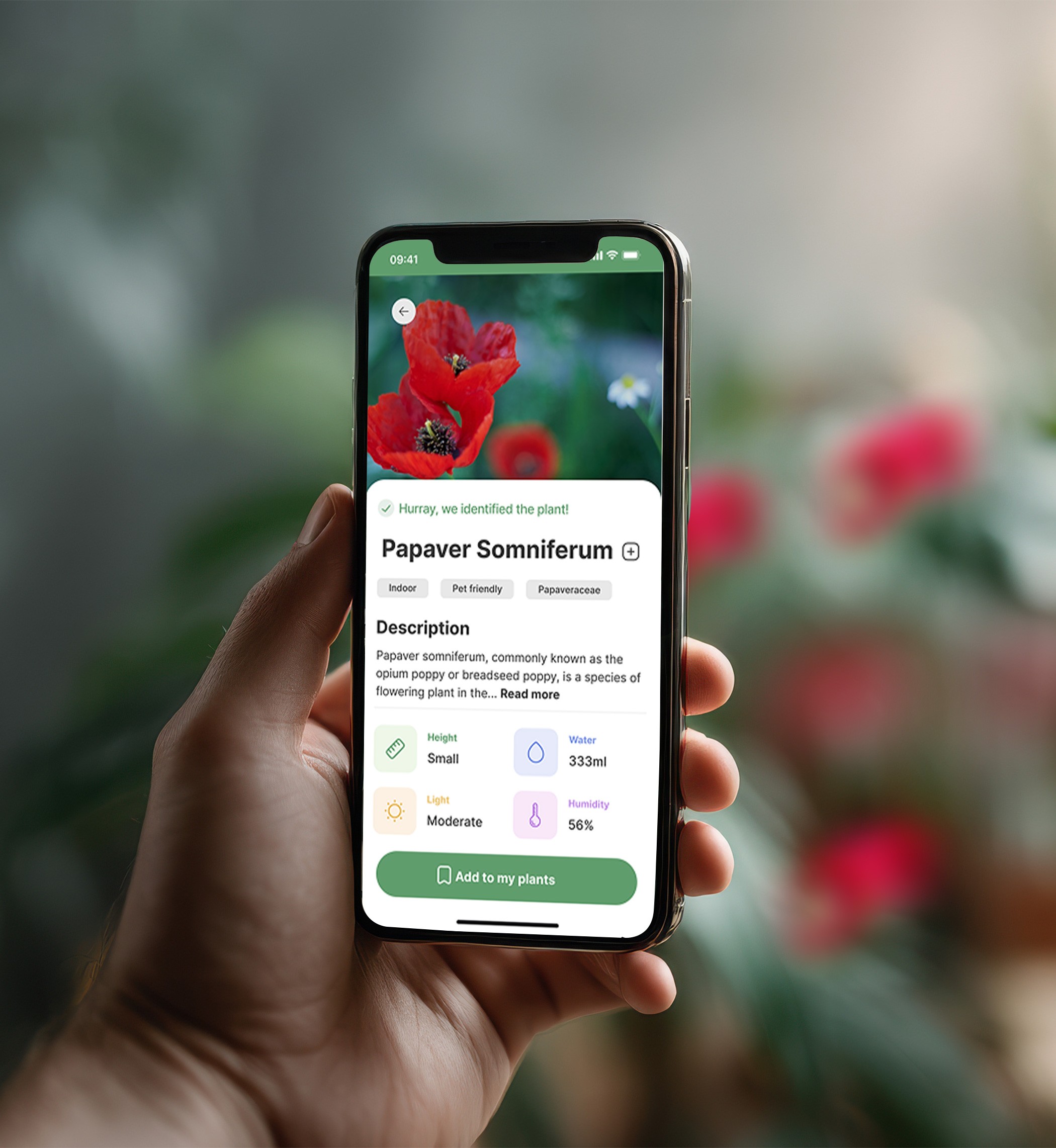
Designing a Digital Gardening Experience
Designing a mobile experience that simplifies plant care through guided actions, personalised insights, and consistent routines.

Process
I don't treat design as a linear process. It's a way of thinking that helps bring clarity to ambiguous problems and align teams around the right direction. Across projects, I focus on reducing complexity, structuring systems, and making decisions that hold up as products scale.
01
Frame the problem
I start by defining what actually needs to be solved.
Not just the ask, but the user intent, business context, and where the experience breaks. Clarity here avoids solving the wrong problem.Structure the system
Most usability issues are structural, not visual.
I focus on information architecture, navigation, and flows to reduce cognitive load and make the experience easier to move through.02
Design with intent
With the structure in place, I design interactions and visuals that guide users clearly.
Every decision supports usability, accessibility, and predictable flows.03
Validate and iterate
I test assumptions early through feedback, quick validation, and iteration. Design decisions are refined based on how people actually use the product, not just how it looks in static screens.
04
Process
I don’t see design as a linear process.
It’s a way to bring clarity to ambiguity and align teams around what actually matters.
My focus stays the same.
Reduce complexity, structure systems, and make decisions that scale.
01
Frame the problem
I start by defining what actually needs to be solved.
Not just the ask, but the user intent, business context, and where the experience breaks. Clarity here avoids solving the wrong problem.
Design with intent
With the structure in place, I design interactions and visuals that guide users clearly.
Every decision supports usability, accessibility, and predictable flows.
03
Structure the system
Most usability issues are structural, not visual.
I focus on information architecture, navigation, and flows to reduce cognitive load and make the experience easier to move through.
02
Validate and iterate
I test assumptions early through feedback, quick validation, and iteration. Design decisions are refined based on how people actually use the product, not just how it looks in static screens.
04
Process
I don’t see design as a linear process.
It’s a way to bring clarity to ambiguity and align teams around what actually matters.
My focus stays the same.
Reduce complexity, structure systems, and make decisions that scale.
01
Frame the problem
I start by defining what actually needs to be solved.
Not just the ask, but the user intent, business context, and where the experience breaks. Clarity here avoids solving the wrong problem.Structure the system
Most usability issues are structural, not visual.
I focus on information architecture, navigation, and flows to reduce cognitive load and make the experience easier to move through.02
Design with intent
With the structure in place, I design interactions and visuals that guide users clearly.
Every decision supports usability, accessibility, and predictable flows.03
Validate and iterate
I test assumptions early through feedback, quick validation, and iteration. Design decisions are refined based on how people actually use the product, not just how it looks in static screens.
04